_edited.png)
Harnessing the Transformative Power of Play for Growth and Learning

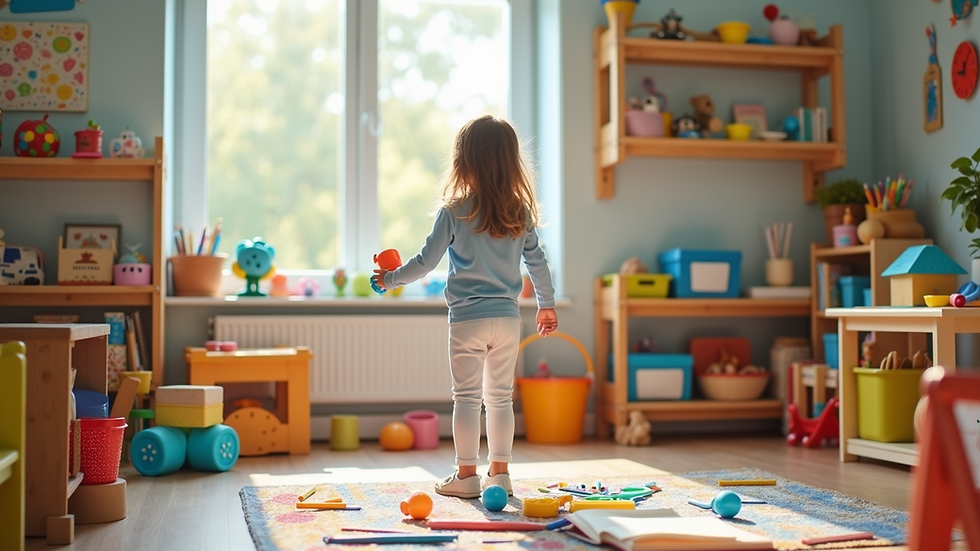
Play therapy is a powerful method that helps children express their feelings and thoughts through play. Many children find it hard to talk about their emotions, making this therapy particularly effective. By playing, children can explore their inner world, process trauma, and learn coping skills in a safe space.
Let's unpack the benefits of play therapy, the techniques therapists use, and how this approach can significantly enhance a child's emotional and psychological health.
Understanding Play Therapy
Play therapy operates on the idea that play is a natural communication tool for children. Unlike adults, who often use spoken language to express their thoughts and feelings, children convey much of what they feel through play. This therapeutic method allows kids to engage in activities that mirror their thoughts and emotions, giving therapists critical insights into their emotional states.
Research shows that play therapy is effective for various challenges, including anxiety, depression, trauma, emotional regulation and social difficulties. In a safe environment, children can explore their experiences and develop healthier coping strategies.
The Benefits of Play Therapy
Emotional Expression
Play therapy offers children a safe way to express their feelings. Through play, they can reenact scenarios tied to their emotions, fears, or experiences. This type of expression is especially helpful for children who have faced trauma or loss. For instance, a child who has lost a pet might use a stuffed animal to navigate their sadness during a session. This avenue for expression can lead to notable relief and understanding of their feelings.
Improved Communication Skills
Children learn to communicate their thoughts and emotions more effectively through play. This enhanced communication can affect their interactions with peers and family positively. Studies have shown that children involved in play therapy can see a 25% increase in their ability to express their needs and feelings outside of therapy.
Enhanced Problem-Solving Skills
During sessions, children face challenges that require critical thinking and problem-solving. Whether figuring out how to share a toy or navigate a game, they develop strategies for overcoming obstacles. This growth is essential for tackling everyday challenges, whether in school situations or friendships.
Building Self-Esteem
Play therapy plays a significant role in boosting children's self-esteem. Successfully navigating various play scenarios can help kids feel more accomplished and confident. For example, a child who learns to overcome fears during role-playing may develop a newfound sense of bravery that they can carry into other areas of their life. This increased self-esteem can lead to resilience and independence.
Strengthening Relationships
Play therapy can improve a child's relationships with caregivers and peers. By involving parents in the therapy process, therapists help families better understand each child's emotional needs. This collaborative approach strengthens family bonds and fosters open communication, which can be vital in a child's emotional development.
Techniques Used in Play Therapy
Non-Directive Play Therapy
In non-directive play therapy, the therapist allows the child to guide the session. The child selects the toys and activities, giving insight into their thoughts. The therapist observes and reflects on the play, helping the child process feelings without pushing their own ideas.
Directive Play Therapy
Directive play therapy involves the therapist guiding the child through set activities. This structured approach can help children who need extra support in expressing emotions. Techniques used might include storytelling or guided art projects to facilitate communication.
Sand Tray Therapy
Sand tray therapy uses a sand tray and miniature figures, allowing kids to create scenes that reflect their feelings or experiences. This hands-on method provides a unique outlet for creative expression and can uncover hidden emotions that may be hard to put into words.
Art Therapy
Art therapy encourages children to express feelings through drawing, painting, or crafting. This visual expression can be particularly effective for processing complex emotions. For example, a child may draw a storm to represent feelings of anger or confusion, offering a starting point for deeper discussions.
Role-Playing
Role-playing allows children to act out situations and explore different viewpoints. This approach is especially beneficial for developing social skills and learning conflict resolution strategies. By stepping into various roles, children can better understand their own emotions and the feelings of others.
Final Thoughts
Play therapy is a valuable approach for children facing emotional and psychological challenges. By using play as a communication tool, therapists help children express feelings, develop coping skills, and improve overall well-being.
Whether through non-directive or directive techniques, play therapy offers a safe and supportive environment for emotional exploration. By understanding its benefits, parents and caregivers can make informed decisions about seeking the right support for their children's emotional growth and resilience.
In a world where children often struggle to express their feelings, play therapy offers a path to healing. If you think your child could benefit from this approach, consider reaching out to a qualified therapist to discuss the options available.
Comments